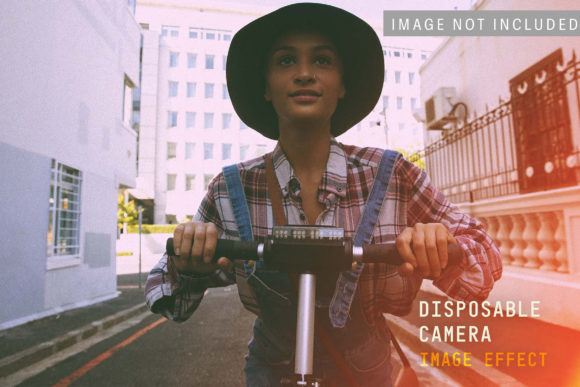
Disposable Camera Image Effect Guide
The allure of analog photography has never truly faded, even in an era dominated by high-resolution digital sensors and computational photography. There is a specific charm to the grainy textures, soft focus, and unpredictable color shifts that define film photography. For many creators, achieving this aesthetic digitally is not just about nostalgia; it is about evoking a mood that feels authentic, raw, and human. This is where the Disposable Camera Image Effect becomes an invaluable tool. By simulating the characteristics of single-use film cameras, designers and photographers can infuse their digital work with a tangible sense of warmth and imperfection.
Understanding how to effectively apply this effect requires more than just slapping a filter on a photo. It involves recognizing the technical nuances that make film look like film. When you utilize a dedicated mockup or action, such as a Disposable Camera Image Effect preset for Adobe Photoshop, you are leveraging a curated set of adjustments designed to replicate the chemical and mechanical limitations of analog gear. These tools typically adjust contrast curves, introduce subtle noise, shift color balances toward warmer or cooler tones, and soften edges to mimic the lens quality of inexpensive plastic optics.
Why Different Creators Value Analog Aesthetics
The appeal of this style varies significantly depending on who is behind the camera or the keyboard. For a professional photographer, the goal might be consistency across a large editorial spread. For a small business owner, it might be about creating social media content that stands out in a sea of polished, sterile imagery. Let us explore how different audiences approach this creative choice.
For Beginners and Hobbyists
If you are new to photo editing, the prospect of manually adjusting curves, levels, and noise settings to mimic film can be daunting. The learning curve for authentic film emulation is steep because it requires a keen eye for subtle details. This is where pre-made assets shine. A well-structured Disposable Camera Image Effect file allows beginners to achieve professional-looking results instantly. By using a template with clearly organized layers, novice users can learn by deconstructing the file. They can see exactly which adjustment layers contribute to the grain, which ones handle the color grading, and how opacity settings affect the final look. This educational aspect transforms a simple download into a learning resource, helping hobbyists understand the mechanics of photo manipulation without feeling overwhelmed.
For Professional Designers and Marketers
Time is the most valuable currency for professionals. A freelance graphic designer working on a tight deadline for a lifestyle brand does not have hours to spend tweaking individual settings for every image in a campaign. Here, the priority shifts from learning to efficiency and reliability. A high-quality PSD mockup ensures that the effect is consistent across multiple images. When a marketer needs to produce a series of Instagram posts that feel cohesive, using a standardized Disposable Camera Image Effect template guarantees that the visual language remains uniform. Furthermore, professionals value flexibility. They need files that are non-destructive, allowing them to toggle effects on and off or adjust intensity based on the specific lighting conditions of each source photo. The ability to customize the effect while maintaining a base level of quality is crucial for commercial work.
For Entrepreneurs and Small Business Owners
Small business owners often wear many hats, including that of the content creator. They may not have extensive design skills, but they understand the importance of brand identity. An artisanal coffee shop or a vintage clothing store might find that the gritty, nostalgic feel of disposable camera aesthetics aligns perfectly with their brand values. For these users, ease of use is paramount. They need a solution that works with software they already own, such as Adobe Photoshop CC. The value proposition here is accessibility. By using a drag-and-drop mockup, they can elevate their product photography without hiring an external agency. The focus is on practical application: taking a standard product shot and giving it enough character to engage customers on social platforms.
Technical Considerations for High-Quality Results
While the aesthetic is artistic, the technical foundation must be solid. When selecting a Disposable Camera Image Effect resource, several specifications determine its usefulness and versatility.
- Resolution and Dimensions: A file size of 3600 x 2400 pixels provides ample room for detailed editing. This resolution is sufficient for high-quality web display and moderate print sizes. Working at this scale ensures that when you add grain or texture, it does not appear pixelated or artificial.
- Color Mode and DPI: Ensure the file is in RGB color mode with a resolution of 300 DPI. While RGB is standard for digital screens, having a 300 DPI baseline means the file is print-ready if needed. This dual-purpose capability adds long-term value to the asset.
- Layer Organization: The most critical feature of any good PSD mockup is its structure. Layers should be clearly labeled and grouped. Look for folders named "Grain," "Color Grade," "Vignette," or "Light Leaks." This organization allows you to isolate specific elements of the effect. If the grain is too heavy for a particular image, you can lower the opacity of just that group without affecting the color balance.
- Software Compatibility: Verify that the product works with your version of Adobe Photoshop. Most modern mockups require Photoshop CC or higher to support smart objects and advanced blending modes. Using outdated software may result in missing features or broken links within the file.
It is important to note that placeholder images are rarely included in the final downloadable files. This is standard practice to keep file sizes manageable and to avoid licensing issues. You will need to insert your own artwork or photographs into the designated smart object layers. This step is straightforward: double-click the smart object layer, paste your image, save, and close. The effect will automatically apply to your new content.
Practical Applications Across Industries
The versatility of the Disposable Camera Image Effect extends beyond personal photography. Consider how different industries might leverage this style:
- Travel Blogging: Travel bloggers often seek to convey the spontaneity of their journeys. A polished, HDR-style photo can sometimes feel too staged. Applying a disposable camera effect can make a landscape or street scene feel more candid and immediate, enhancing the storytelling aspect of the blog.
- Fashion and Retail: Vintage and streetwear brands frequently use lo-fi aesthetics to appeal to younger demographics. The imperfections associated with film photography suggest authenticity and counter-culture credibility, which can be powerful marketing tools.
- Wedding and Event Photography: While main wedding albums are usually pristine, many couples now request a "disposable camera" section for their engagement shoots or reception photos. This adds a playful, nostalgic element to the overall collection, capturing moments that feel less posed and more emotional.
- Educational Materials: Educators creating materials for media studies or history classes might use these effects to illustrate the evolution of photographic technology. Showing students the difference between a crisp digital image and a simulated film image can spark discussions about perception, memory, and media literacy.
Making the Right Choice for Your Workflow
When evaluating whether a Disposable Camera Image Effect tool is right for you, consider your primary goals. If you prioritize speed and consistency, look for templates with one-click actions or well-grouped smart objects. If you are focused on learning, choose files that expose the underlying adjustment layers so you can study the techniques. For commercial projects, ensure the license allows for client work and that the resolution meets your output requirements.
Remember that the best digital effects are those that go unnoticed. The goal is not to make the image look "filtered," but to make it feel evocative. A subtle application of grain and a slight color shift can often be more effective than heavy-handed distortions. Experiment with the opacity of your effect layers. Sometimes, reducing the intensity to 70% or 80% creates a more natural blend with the original photograph.
Ultimately, the Disposable Camera Image Effect is a bridge between the tactile past and the digital present. It allows creators to inject soul and character into their work, regardless of their skill level or industry. By choosing high-quality, well-organized resources, you ensure that your workflow remains efficient while your creative output remains compelling. Whether you are a seasoned pro looking to streamline your process or a beginner eager to explore new styles, integrating these tools can significantly enhance your visual storytelling capabilities.