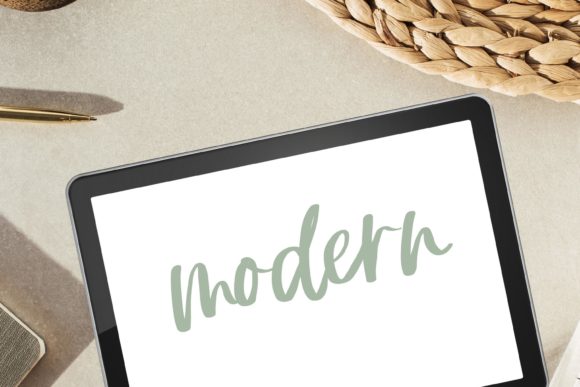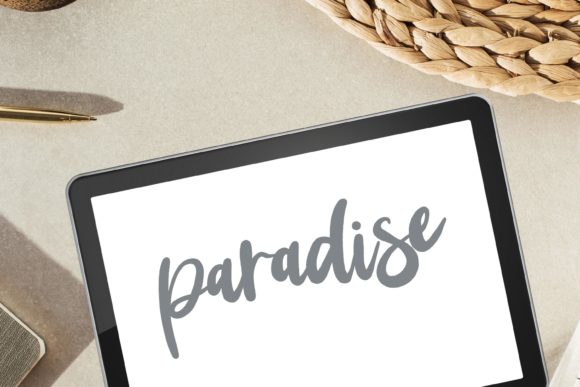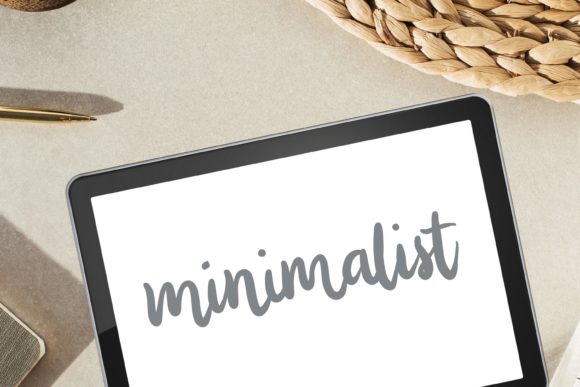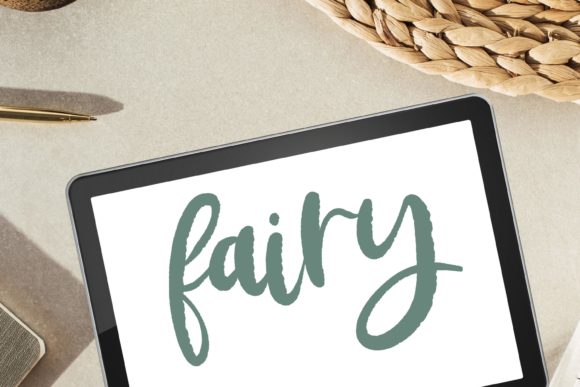
Spaghetti Procreate Lettering Brush: A Guide to Textured Digital Calligraphy
Digital lettering has evolved significantly, moving beyond clean, vector-like lines to embrace organic imperfections that mimic traditional media. Among the tools facilitating this shift is the Spaghetti Procreate Lettering Brush. This specialized digital asset is designed for artists seeking a distinct aesthetic characterized by an old, dry, broken chiseled texture. By simulating the unpredictable behavior of worn nibs and rough paper, this brush offers a unique approach to modern calligraphy and hand lettering within the Procreate ecosystem.
Understanding the Spaghetti Brush Aesthetic
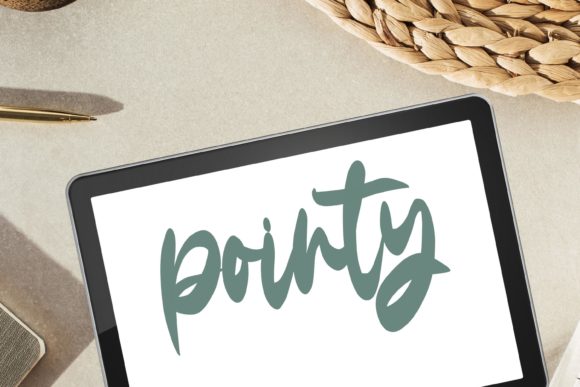
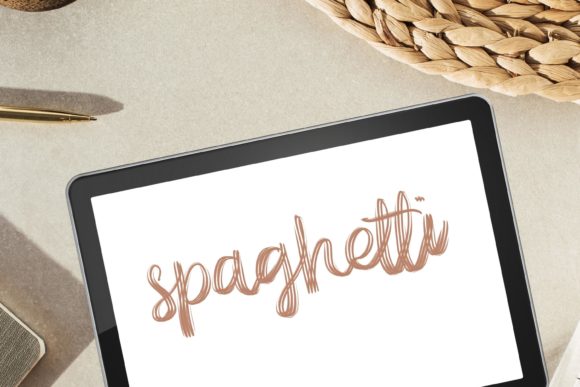
The core appeal of the Spaghetti Procreate Brush lies in its ability to replicate the "grit" and character of analog tools. Unlike standard digital brushes that produce uniform strokes, this tool introduces intentional irregularities. The term "spaghetti" refers to the noodle-like texture and the way the ink appears to bleed, blur, or break apart on the digital canvas. This effect creates a visual language that feels aged, authentic, and tactile.
Artists often seek this specific look to add warmth to their compositions. The brush mimics the experience of using an old, dried-out marker or a chiseled nib that has seen significant wear. The resulting strokes are not perfectly smooth; instead, they feature fuzzy edges, blotchy fills, and a grunge quality that can be difficult to achieve manually without extensive texturing workflows. For those interested in modern lettering, this brush provides an immediate shortcut to a vintage or rustic style.
Key Features and Technical Considerations
When evaluating the Spaghetti Procreate Lettering Brush, it is essential to understand its technical requirements and limitations. This product is a digital file intended for instant download. It is crucial to note that no physical product will be shipped. Users must possess an iPad with the Procreate application installed to utilize this tool effectively. The files should be downloaded and opened directly on the iPad to import them into the Procreate brush library seamlessly.
The brush engine is tuned to respond to pressure and tilt, allowing for dynamic variation in stroke width and texture density. However, the "broken" nature of the chiseled tip means that consistency varies by design. This is not a bug but a feature intended to simulate the randomness of traditional media. Users should expect a learning curve as they adapt to how the brush interacts with different canvas sizes and resolution settings. The texture may appear more pronounced on larger canvases, while smaller projects might require adjustments to opacity or flow to maintain legibility.
Benefits of Using Textured Lettering Brushes
Incorporating a textured brush like the Spaghetti Procreate Brush into your workflow offers several advantages for specific types of projects:
- Authenticity: The grit and grunge elements add a human touch to digital work, reducing the sterile feel often associated with computer-generated art.
- Efficiency: Achieving a similar textured effect manually would require multiple layers, custom masks, and overlay textures. This brush consolidates those steps into a single tool.
- Versatility: While designed for lettering, the brush is also effective for painting and illustration. It can be used to create organic shapes, backgrounds, or decorative elements that complement hand-lettered text.
- Stylistic Differentiation: In a market saturated with clean, minimalist typography, textured lettering stands out. It appeals to brands and clients looking for a rustic, artisanal, or vintage vibe.
Ideal Use Cases
The Spaghetti Procreate Lettering Brush is particularly well-suited for projects where mood and atmosphere are prioritized over precision. Designers working on packaging for artisanal products, such as craft beer labels, bakery branding, or handmade goods, will find this brush aligns well with their aesthetic goals. It is also an excellent choice for social media graphics, quote cards, and editorial illustrations that require a personal, hand-crafted feel.
Furthermore, this brush is valuable for artists exploring modern calligraphy who wish to move away from perfect copperplate styles. It encourages a looser, more expressive approach to letterforms. The blurry and bleed effects can soften harsh lines, making the composition feel more approachable and less rigid. For digital illustrators, the brush can serve as a foundational tool for sketching concepts that rely on organic forms rather than geometric precision.
Tradeoffs and Limitations
While the Spaghetti Procreate Brush offers distinct stylistic benefits, it is not a universal solution. Artists requiring crisp, high-contrast typography for corporate branding or technical diagrams may find the textured edges distracting or illegible at small sizes. The "fuzzy" and "blotchy" characteristics can reduce readability if not managed carefully. Therefore, this tool is best used for display typography rather than body text.
Another consideration is the dependency on the Procreate platform. Since this is a proprietary brush format, it cannot be used in other software such as Adobe Photoshop, Illustrator, or Affinity Designer without conversion or alternative methods. Users committed to a multi-platform workflow may need to recreate similar effects using different tools in other applications. Additionally, because the texture is pre-programmed, there is less control over the specific pattern of the "breaks" compared to manually applying a texture overlay.
Comparing Alternatives
When deciding whether the Spaghetti Procreate Lettering Brush is the right choice, it is helpful to consider alternatives. Standard round brushes with texture overlays offer more control but require more setup time. Vector-based lettering in Adobe Illustrator provides infinite scalability and cleanliness but lacks the organic warmth of raster-based textures. Other Procreate brushes may offer similar grunge effects but with different tip shapes, such as flat brushes or pencil textures.
If your primary goal is precision and editability, vector tools remain superior. However, if speed and organic aesthetic are priorities, the Spaghetti brush provides a compelling balance. It bridges the gap between the convenience of digital tools and the charm of traditional media. Artists should evaluate their typical project requirements: if most work demands a clean, modern look, a standard monoline brush may be more versatile. If the portfolio leans towards vintage, rustic, or expressive styles, this textured brush becomes a valuable asset.
Practical Decision-Making Insights
To determine if this brush aligns with your needs, consider your current artistic challenges. Do you spend excessive time adding noise or grain to your lettering? Do you struggle to make digital work feel "hand-made"? If so, the Spaghetti Procreate Brush addresses these pain points directly. It is also important to assess your comfort level with Procreate’s interface. Since support is available for users encountering issues, beginners can feel confident that assistance is accessible if they face difficulties during installation or usage.
Ultimately, the value of this tool lies in its specificity. It is not a general-purpose brush but a specialized instrument for a particular visual outcome. By understanding its strengths—organic texture, vintage appeal, and efficiency—and its limitations—platform dependency and reduced legibility at small scales—artists can make an informed decision. For those seeking to infuse their digital lettering with the character of old-world craftsmanship, the Spaghetti Procreate Lettering Brush offers a practical and effective solution.