Ten Christmas Pattern Paint Strokes: A Practical Guide for Designers and Creators
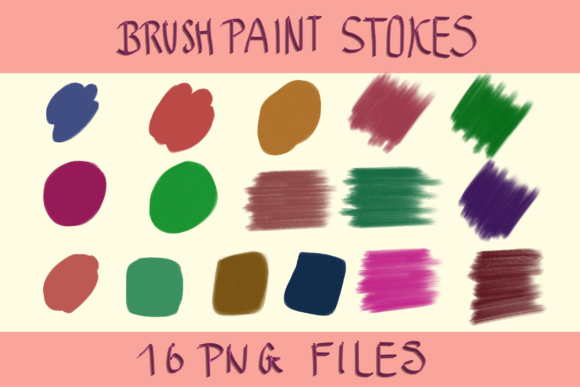
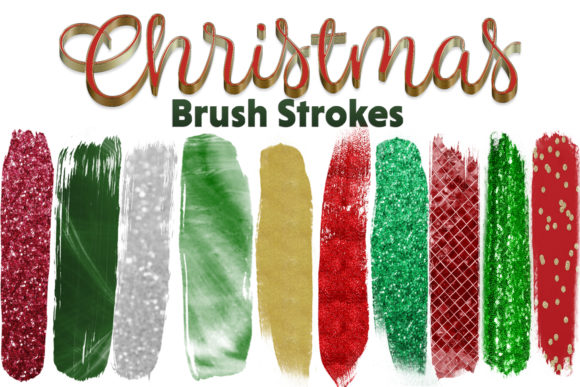
The holiday season brings a surge of creative projects, from personalized greeting cards to festive social media campaigns. In this rush, many creators turn to digital assets to save time while maintaining high visual standards. One such asset that has gained traction is the collection known as Ten Christmas Pattern Paint Strokes. This set offers ten distinct, Christmas-designed glitter paintbrush strokes, providing an immediate way to add texture, sparkle, and seasonal flair to various design contexts.
However, simply downloading and dragging these elements into your canvas does not guarantee a professional result. Many users, ranging from beginner hobbyists to seasoned marketing professionals, overlook critical details regarding file usage, layering techniques, and contextual appropriateness. Understanding how to properly integrate these transparent PNG assets can mean the difference between a polished, eye-catching design and a cluttered, amateurish composition.
Understanding the Asset and Its Potential
At its core, this collection consists of ten unique brush stroke images saved in PNG format with completely transparent backgrounds. This technical specification is vital. Unlike JPEGs, which carry a white or colored background box, PNGs allow the glittery texture to sit seamlessly over any color, pattern, or photograph. The "glitter" effect is pre-rendered, meaning you do not need complex software skills to simulate sparkles; the visual depth is already baked into the image.
These strokes are versatile. They are suitable for decorating digital invitations, enhancing stationery design elements, adding flair to company branding during the holidays, or serving as embellishments in digital scrapbooking. For entrepreneurs and small business owners, they offer a quick way to update website banners or email headers without hiring a graphic designer. Yet, the ease of use often leads to complacency, resulting in common design pitfalls.
Common Mistakes and How to Avoid Them
While the asset is user-friendly, several misunderstandings can hinder its effectiveness. Recognizing these errors early helps maintain the quality and professionalism of your final output.
Ignoring Scale and Resolution Context
A frequent error is using the strokes at incorrect sizes. Because these are raster images (PNGs), they have a fixed resolution. Enlarging them significantly beyond their original dimensions can lead to pixelation or blurriness, destroying the crispness of the glitter effect. Conversely, shrinking them too much may cause the intricate details of the paint texture to vanish, leaving behind an indistinct smudge.
Better Approach: Always check the original dimensions of the PNG files before starting your project. If you are designing for print, ensure the resolution is at least 300 DPI at the size you intend to use. For digital screens, 72–150 DPI is usually sufficient, but clarity remains key. Test the stroke at your intended size on a neutral background to verify that the glitter texture remains visible and sharp.
Overlooking Color Harmony
Glitter textures are visually loud. A common mistake is placing these bright, reflective strokes against busy or clashing backgrounds. For instance, overlaying a gold glitter stroke on a red-and-green plaid pattern can create visual vibration, making the text or main subject hard to read. This reduces communication efficiency and can frustrate viewers.
Better Approach: Use contrast wisely. If the paint stroke is light and sparkly, place it over a darker, solid, or subtly textured background. If you must use it over a complex image, consider adding a slight drop shadow or a semi-transparent shape behind the stroke to separate it from the background. This ensures the embellishment enhances rather than competes with the overall design.
Misjudging the Tone for Branding
For marketers and business owners, there is a risk of misaligning the asset with brand identity. While Ten Christmas Pattern Paint Strokes are festive, they may not suit every corporate voice. Using playful, glittery elements in a serious financial report or a minimalist luxury brand campaign can appear incongruous and damage credibility.
Better Approach: Evaluate your audience and brand guidelines. If your brand is traditional or conservative, use these strokes sparingly—perhaps only in internal holiday greetings or casual social media posts. For lifestyle, retail, or creative brands, they can be more prominent. Always ask: Does this element support the message, or does it distract from it?
Technical Considerations for Seamless Integration
Beyond aesthetics, technical execution plays a crucial role. Since all images are saved as PNGs with transparent backgrounds, they are ready for immediate use in most design software, including Photoshop, Canva, Illustrator, and Procreate. However, users often forget to manage layer hierarchy properly.
Placing the stroke layer incorrectly can obscure important text or call-to-action buttons. In digital scrapbooking or invitation design, the stroke should typically sit behind the main text or frame the content, not cover it. If the glitter overlaps text, readability suffers, especially for older audiences or those viewing on small mobile screens.
Practical Tip: Use the "Multiply" or "Screen" blending modes in your design software if you want the stroke to interact more naturally with underlying colors. While the PNG is transparent, blending modes can help the glitter appear as if it is part of the scene rather than just stuck on top. Experiment with opacity settings as well; reducing opacity to 80–90% can sometimes make the effect look more subtle and sophisticated.
Evaluating Quality Before Final Use
Before committing to a final export, perform a quality check. Zoom in to 100% view to inspect the edges of the paint strokes. High-quality PNGs should have clean edges without halos or jagged artifacts. If you notice white fringes around the glitter, it may indicate a poor extraction process in the original file. In such cases, try using a clipping mask or erasing the fringe manually if your software allows.
Additionally, consider the file size. High-resolution PNGs can be large. If you are using these for web design, optimize the images to balance quality and load speed. Large, unoptimized images can slow down your website, negatively impacting user experience and SEO rankings.
Making the Right Choice for Your Project
When deciding whether Ten Christmas Pattern Paint Strokes are right for your specific needs, consider the scope of your project. For one-off invitations or personal scrapbooks, the convenience of pre-made glitter strokes is invaluable. For larger branding campaigns, ensure consistency by using the same stroke styles across all materials to create a cohesive look.
Remember that these elements are tools, not solutions. They enhance a design but cannot fix poor layout or weak messaging. Use them to accentuate key areas, guide the viewer’s eye, or add a touch of seasonal warmth. By avoiding common pitfalls like improper scaling, color clashes, and tonal mismatches, you can leverage these assets effectively.
Ultimately, the goal is to create designs that feel intentional and polished. Whether you are a freelancer crafting client deliverables or a hobbyist making family cards, taking the time to understand how these transparent PNGs interact with your canvas will elevate your work. Embrace the festive spirit, but keep your design principles sharp. With careful application, these ten Christmas patterns can become a staple in your holiday design toolkit, delivering professional results with minimal effort.