Strategic Application of Brush Strokes and Black Ink Lines in Modern Design Workflows
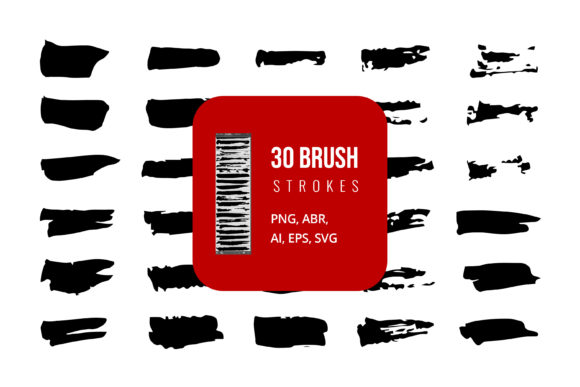
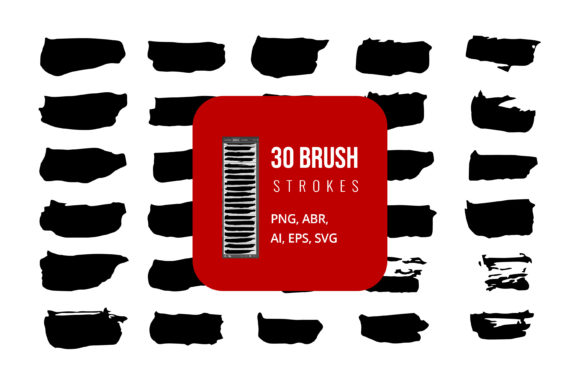
In an era dominated by sterile, algorithmically generated aesthetics, the deliberate integration of Brush Strokes and Black Ink Lines offers a critical counterbalance. For professionals ranging from brand strategists to freelance designers, these elements are not merely decorative; they are tools for humanizing digital communication. The availability of high-fidelity assets—including AI, SVG, EPS, JPG, PNG, and ABR formats—allows for seamless integration across Adobe Illustrator, Photoshop, Microsoft Word, and PowerPoint. However, the true value lies not in the files themselves, but in how strategically they are deployed to enhance clarity, evoke emotion, and strengthen brand positioning.
The Strategic Value of Organic Texture in Digital Communication
Digital interfaces and corporate documents often suffer from a lack of tactile resonance. Users scroll through thousands of pixels daily, most of which are sharp, uniform, and emotionally neutral. Introducing Brush Strokes and Black Ink Lines disrupts this monotony. It signals imperfection, effort, and humanity. From a psychological perspective, this can lower defensive barriers in marketing materials and increase engagement in educational content.
When you utilize vector-based formats like SVG and EPS, you maintain scalability without losing the organic integrity of the ink. This is crucial for long-term branding consistency. Whether applied to a massive billboard or a mobile app icon, the stroke retains its character. Conversely, raster formats like JPG and PNG offer immediate usability in environments where vector editing is unnecessary, such as quick social media graphics or internal presentations in Microsoft PowerPoint. The strategic choice of format dictates the flexibility and quality of the final output, influencing how the audience perceives the professionalism and attention to detail of the creator.
Enhancing Brand Identity Through Intentional Imperfection
Brand differentiation is increasingly difficult in saturated markets. Many companies rely on safe, geometric logos and sans-serif typography. Incorporating Black Ink Lines can serve as a distinctive visual signature. Consider a financial consultancy that traditionally uses rigid charts and cold blue tones. By introducing subtle, hand-drawn ink underlines or brush-stroke accents in their reports, they soften their image, appearing more approachable and bespoke without sacrificing authority.
This approach requires careful planning. The goal is not to appear chaotic, but curated. Using ABR brushes in Adobe Photoshop allows for dynamic application, enabling designers to create unique variations that prevent the brand from looking templated. However, consistency is key. Establishing a guideline for how these strokes are used—thickness, opacity, and frequency—ensures that the brand remains recognizable. The risk of random application is a dilution of brand equity; if every campaign looks like a different artist created it, the core identity fractures. Therefore, decision-makers must define the "voice" of the brush: is it aggressive and bold, or subtle and refined?
Optimizing Workflow Efficiency with Multi-Format Assets
Time is a non-renewable resource for entrepreneurs and freelancers. The versatility of having access to AI, SVG, EPS, JPG, PNG, and ABR files streamlines the production process. Instead of creating custom illustrations from scratch for every project, professionals can leverage these pre-made assets to accelerate workflow while maintaining high quality.
- Adobe Illustrator (AI/EPS/SVG): Ideal for logo design, packaging, and print media where infinite scalability is required. Vector lines ensure crisp edges regardless of size.
- Adobe Photoshop (ABR/PNG/JPG): Best for texturing, photo compositing, and web graphics. ABR brushes allow for real-time customization, letting designers adjust pressure and flow to match specific artistic needs.
- Microsoft Office (JPG/PNG): Essential for business communications. High-resolution PNGs with transparent backgrounds can elevate standard Word documents and PowerPoint decks, making them visually compelling without requiring advanced design software skills.
By understanding the strengths of each format, teams can reduce bottlenecks. A marketer can quickly drop a PNG into a slide deck, while a designer refines the same element in Illustrator for a brochure. This interoperability supports cross-functional collaboration, ensuring that visual standards are met across all touchpoints.
Risks of Contextless Application
While Brush Strokes and Black Ink Lines are powerful, their misuse can undermine credibility. Applying heavy, grunge-style ink textures to a luxury healthcare brand, for example, may convey uncleanliness or instability rather than artisanal quality. Context is paramount. Before integrating these elements, ask: Does this support the core message? Does it align with the user’s expectations?
Another common pitfall is overuse. When every header is underlined with a brush stroke and every background features ink splatters, the design becomes noisy. Visual hierarchy suffers, and the viewer struggles to identify the primary call to action. Strategic restraint is essential. Use ink lines to guide the eye, highlight key data points, or separate sections, rather than as mere filler. The objective is to enhance readability and focus, not to distract.
Practical Implementation for Long-Term Results
To achieve sustainable results, integrate these assets into a broader content strategy. For educators and publishers, using Black Ink Lines to annotate diagrams or emphasize key concepts can improve retention. The hand-drawn aesthetic mimics the experience of a teacher writing on a whiteboard, creating a cognitive link to learning and explanation.
For e-commerce businesses, product photography enhanced with subtle brush strokes can suggest craftsmanship. If selling handmade goods, an overlay of ink textures can reinforce the narrative of human creation. However, this must be done with high-quality JPG or PNG files to ensure the product remains the focal point. The texture should frame the product, not compete with it.
Decision-makers should also consider accessibility. Ensure that ink lines do not reduce contrast ratios below WCAG standards. Text placed over busy brush backgrounds must remain legible. Testing designs across various devices and lighting conditions is crucial to ensure that the artistic intent does not compromise usability.
Future-Proofing Your Visual Assets
Investing in versatile asset libraries like those containing Brush Strokes and Black Ink Lines is a long-term play. As trends shift from flat design to more textured, neo-brutalist, or organic styles, having these resources on hand allows for rapid adaptation. Unlike trend-specific illustrations that may date quickly, fundamental ink strokes are timeless. They have been used in calligraphy and art for centuries, giving them a enduring relevance.
Moreover, the ability to edit these files in Adobe Illustrator and Photoshop means they can evolve with your brand. You can recolor vectors to match new brand palettes, adjust the weight of lines for different mediums, or combine elements to create unique compositions. This flexibility reduces the need for constant new purchases, offering a higher return on investment.
Making Informed Decisions in Design Procurement
When selecting assets, prioritize quality and format diversity. A package that includes only low-resolution JPGs limits your professional application. Look for comprehensive bundles that offer AI, SVG, EPS, ABR, and PNG options. This ensures you are prepared for any scenario, from a last-minute social media post to a high-stakes print campaign.
Evaluate the source of the brushes. Are they created by experienced artists? Do they mimic natural media accurately? Poorly digitized brushes can look repetitive and artificial, defeating the purpose of adding human touch. Read reviews, examine samples, and test the files in your specific workflow before committing to large-scale implementation.
Ultimately, the successful use of Brush Strokes and Black Ink Lines is about intentionality. It is not about adding noise, but about adding signal. By carefully selecting when and how to deploy these elements, you can create more engaging, memorable, and effective communications. Whether you are building a brand, teaching a class, or pitching a client, the right stroke of ink can make the difference between being ignored and being remembered.
Consider your current projects. Where could a human touch improve clarity or emotional connection? Identify those opportunities, select the appropriate format, and apply the asset with precision. This thoughtful approach transforms simple design elements into strategic advantages, driving better outcomes for your business and your audience.